Four Seasons on a Trail
When you hike the same trail throughout the year, you begin to notice the rhythm of the land as the seasons pass around you. Mud turns to dry dirt, and leaves turn to barren branches. Wildlife, too, follows a cycle brought on by the turning of the earth as it follows its own trail around the sun. My eyes take in the changes as I walk.
Spring
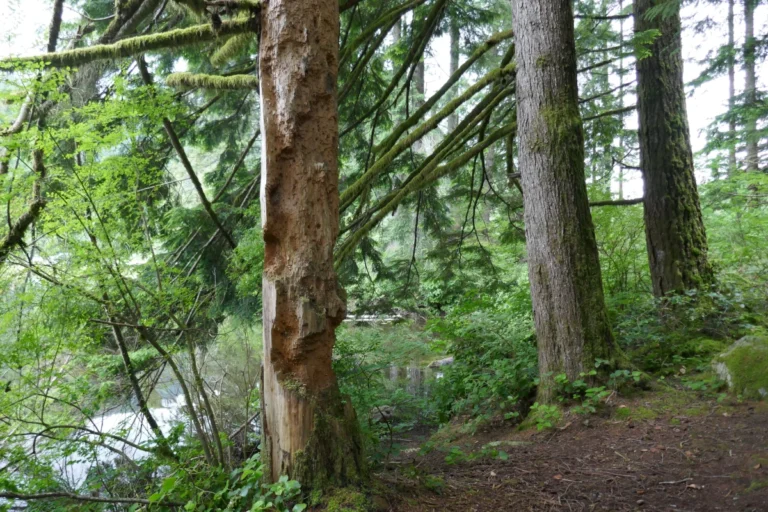
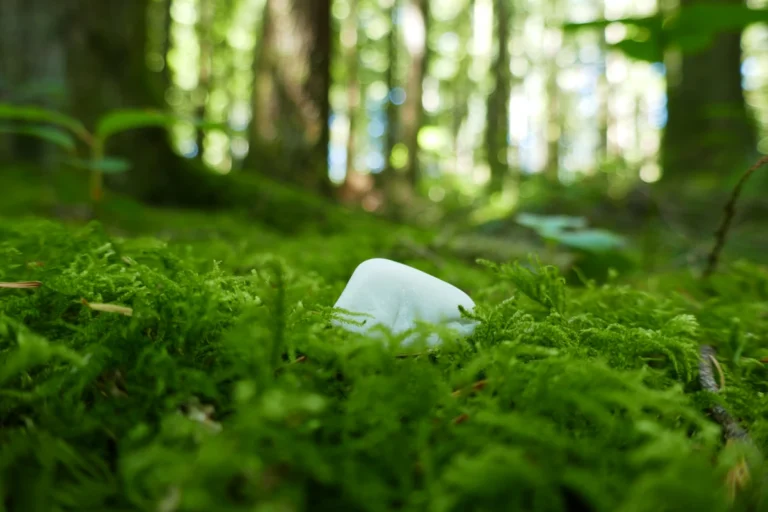
After spells of rain, the trees and moss are bright green, flush with moisture. The trail is muddy in spots, and tiny creeks flow across the path. Some days, mists rise, lingering in the treetops, making things quiet and peaceful.
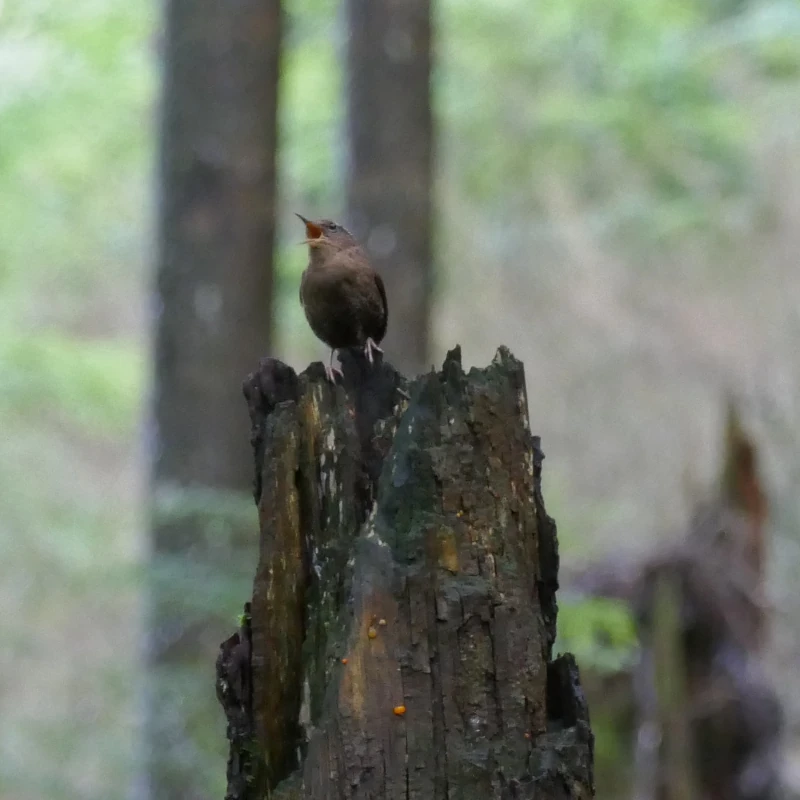
On sunny days, the forest is alive with sound, the birds happy to see the sun. They begin to sing for their lady friends, and twitter happily as they flit around in the treetops. Sometimes I hear the tapping of a woodpecker and pause to find him, busy chipping away at a dead tree. The squirrels are out and about, too, but not talkative yet as they go about their business.
As the days grow warmer, the barren undergrowth begins to come alive again. Tiny green slips appear on branches, and tiny buds that will become huckleberry leaves. Gradually, the landscape greens up, and the creek happily burbles away, making little waterfalls amongst the rocks.
Summer
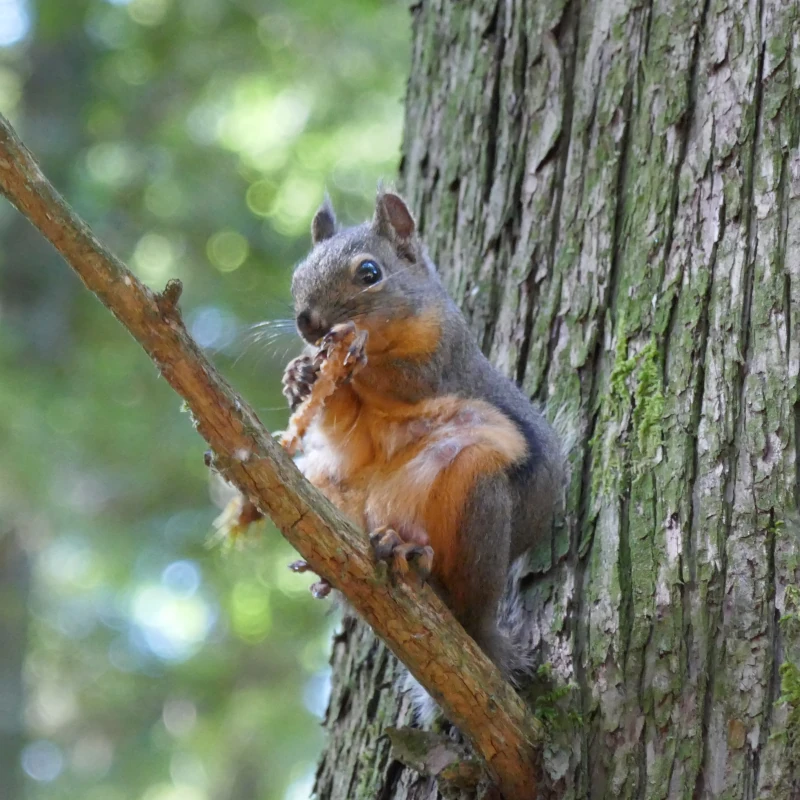
By summer, everything has burst into lush green. When I see squirrels, they’ll run away and scold me. Sometimes I pause and mimic their whistle, and they’ll poke their little heads around the side of the tree to peer at me with their dark eyes. If I hit the right tone, I can sass them right back, and we’ll go back and forth for a while before I laugh and move on.
The creek water begins to slow, and by the end of summer, when it stops, I know there’s no water left on the mountain. Beneath my boots, the trail is dry and hard, the ground parched for rain. After weeks of dryness, the needles fall like rain when there’s a breeze. When I’m the first one on the trail, I get a face full of cobwebs all the way up, their fine strands tickling my skin.
Autumn
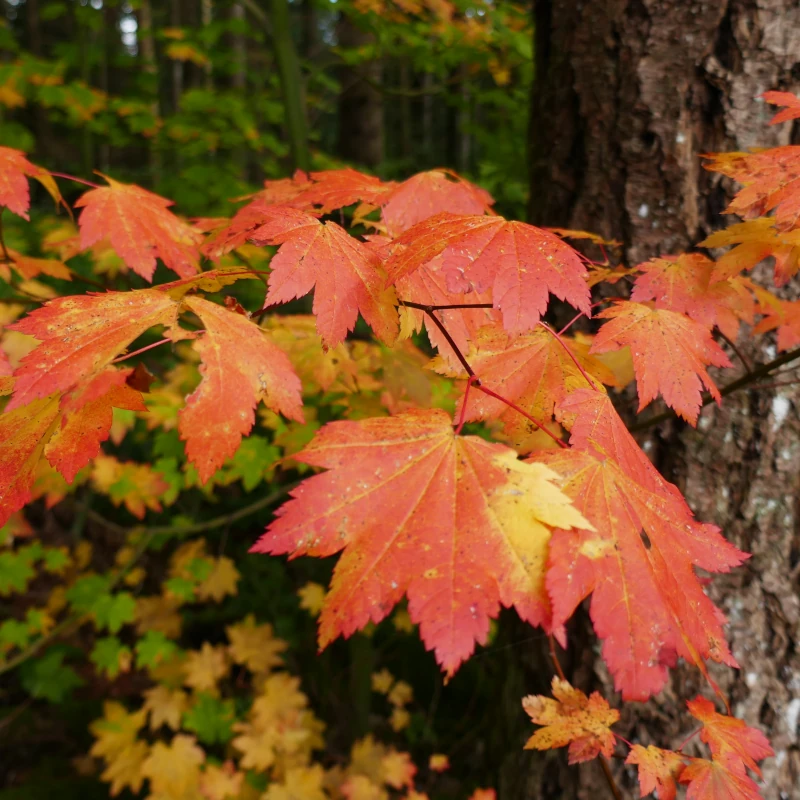
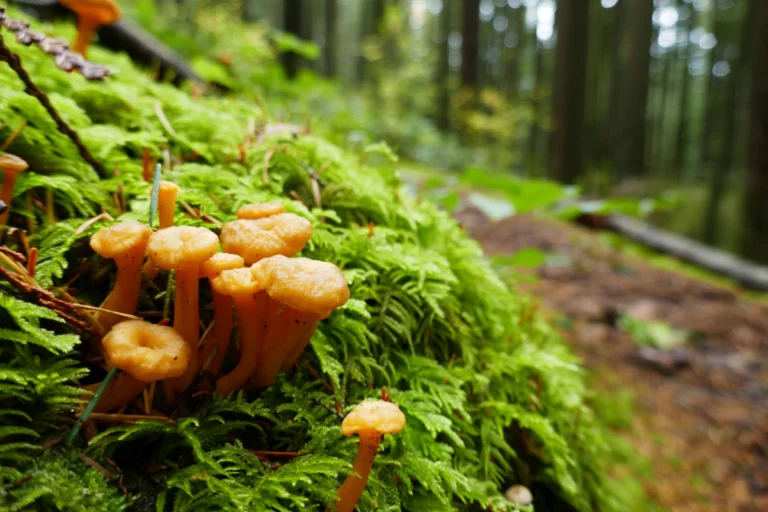
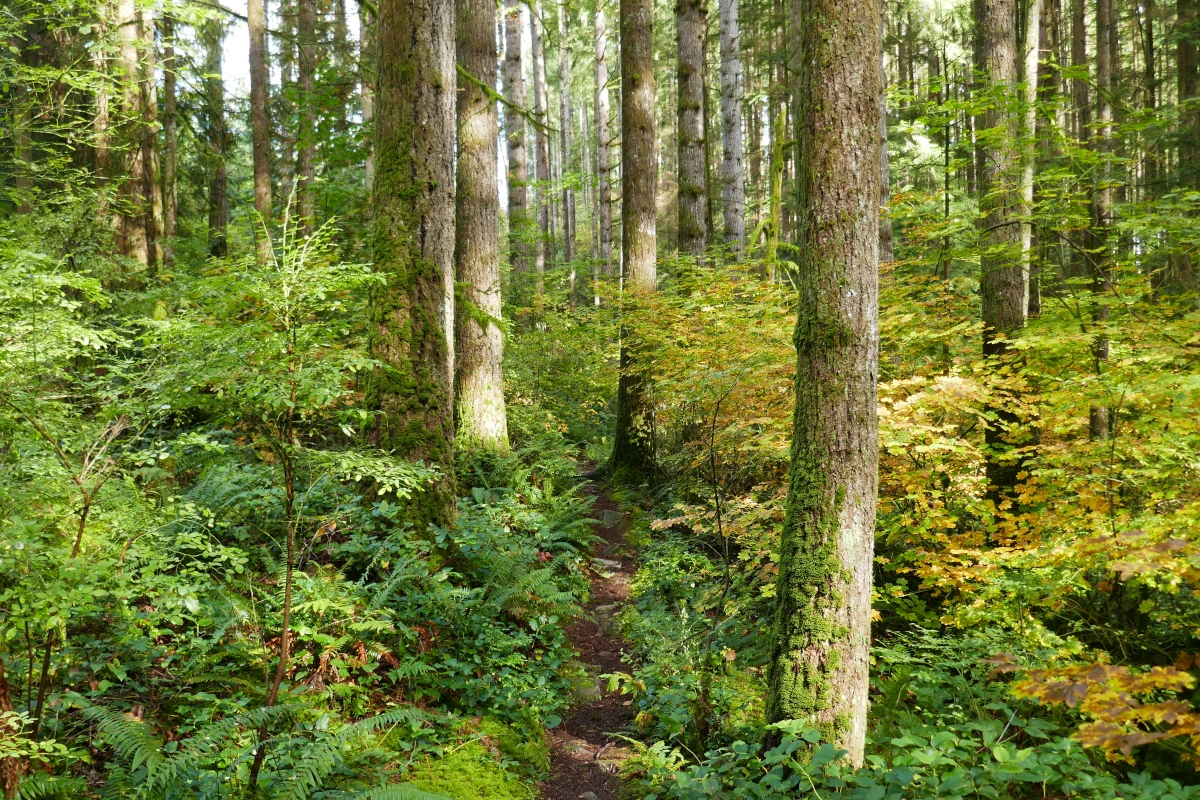
The first autumn rains make the land swell with hydration, the moss turning thick and bright again. The creek is flowing again, too. Leaves begin to drop on the trail. Gradually, the vine maples turn red and yellow, painting the forest with glorious colour. A fungus that my eyes always seem to fall on has doubled in size, and droplets of moisture gather on it.
All around the forest, the gathering has begun. Squirrels run to and fro, fattening themselves on seeds and stashing cones for the winter. Gradually, the birds begin to flock up, some for a southern journey and others for safety in the colder months.
People, too, venture into the woods, their boots tramping off-trail, filling baskets with mushrooms. It’s the busiest time of year on my trail, but as the weeks go on, the leaves fall, the squirrels hide away, and the woods fall silent again.
Winter
The robins have gone, but flocks of thrushes stay, and I often surprise them, making them flee into the leafless understory. The woodpeckers, too, are here for the cold months, their tapping sometimes the only sound in the forest.
The occasional storm knocks branches and trees across the trail. As I make my way, I shift the smaller pieces off. Eventually, other trail fairies get to the rest, dutifully clearing the path of heavy, fallen timber.
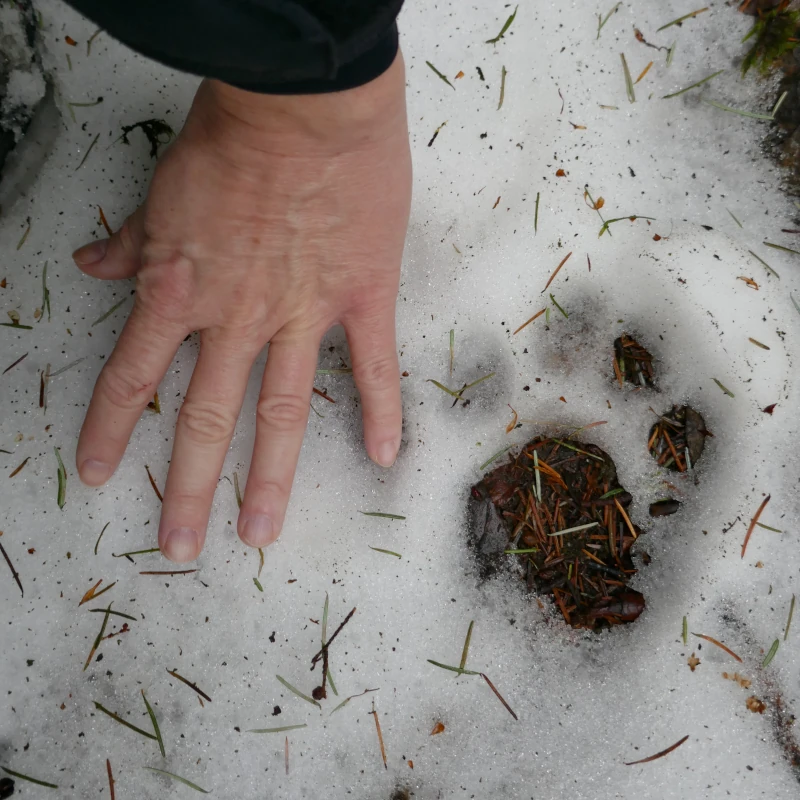
On the coldest days, frost lingers in the shade, and a thin layer of ice forms on puddles. I tap it with my hiking boot and shatter it. When it snows, the mysterious inhabitants of the forest appear: bird tracks around the base of trees, and if I’m lucky, evidence of a deer or cougar crossing the path.
With the leaves gone, the shades of the forest are muted, brown, grey, and dull green. In many ways, the land is sleeping. As time passes, the silent tug-of-war between seasons begins again, and gradually, spring wins.