Trail Etiquette in BC: How Not to be That Person
British Columbia is the most beautiful place in Canada. If you disagree, you’ve probably never been here. Getting out in nature is embedded in our culture, and whether you’re new, just visiting, or just getting into outdoor recreation, know that we want to keep it natural and fun for everyone. The majority of us do, anyway. Unfortunately, a few bad apples can ruin the experience for everyone, so if you’re about to set out on the trail for the first time, there are a few things you should know about.
The Unwritten Rules of the Trail
Pack it in, Pack it out: This includes toilet paper (if there’s no toilet), dog poop, granola bar wrappers, and whatever other garbage you might wind up with during the course of the day. If you’re camping, don’t leave your garbage in the food storage caches or throw it down the outhouse holes. The park operators do not enjoy this. At all.
No Music Out Loud: Playing music out loud on hiking trails is considered poor manners and incredibly rude. Stick to your earbuds. The vast majority of British Columbians go to the outdoors to be in nature, where it’s quiet, and it’s especially important for neurodivergent folks given the lack of quiet spaces in today’s society. While people will try to argue that playing music scares away unwanted wildlife, you are far, far better off knowing what to do when you encounter wildlife than you are using noise as a safety blanket. Also, some of us are bird nerds, and we’d rather listen to them.
Leave the Wildlife Alone: As a general rule, most wildlife, even the larger ones, are far more frightened of you than you are of them. Do not feed the wildlife. Do not approach wildlife, and if you encounter a large animal, follow all species safety guidelines. Give animals space and be kind. Talking back to the squirrels is fine.
Yield to Bigger and Faster Things: This includes horses, motorized vehicles, bikes, and trail runners. Be aware if you’re on a horse or mountain biking trail, and watch out for them. Bikes in particular can be difficult to hear when they’re approaching you from behind. Bikers who are in a group will often tell you if there are more of them coming. Step off the trail, say hello, let them pass, and be on your way. We’re all friends here.
Say Hello: Outside of the cities, British Columbians are a friendly bunch and almost always greet everyone they pass on the trail. A smile and a nod also count. Throw in a comment about the weather for good measure if you’re feeling chatty.
Don’t Hog the Summit: If you’re on one of the more popular hikes, it will likely be crowded. When you reach the viewpoint, and there are lots of people there, wait for your turn to take photos and then step away to let others experience it too. Don’t sit there eating your lunch in the prime photography spot.
Dog Control: If the trail is strictly on-leash, then you should follow those rules. Only let your dog off-leash if it has a good recall and is friendly. That means that it appears friendly to strangers. If your dog’s first action when encountering another person is to aggressively bark, for example, then your dog is not friendly. Any dog that bites should be kept on a leash, no exceptions. Some of us are out there to pet dogs, so the less chompy, the better.
What about rock stacking, you ask? Well, there’s a whole debate on this.
Alternatives to Being a Jerk in Nature
When problems keep happening and places keep getting trashed, you get more rules and regulations. If you’re not able to enjoy nature without creating pollution, including noise pollution, then outdoor recreation is probably not for you. If you’re one of the many people who treads lightly and likes to leave places better than you found them, then chuck a handful of garbage bags into your day pack and help tidy up the following nonsense that you’ll see.
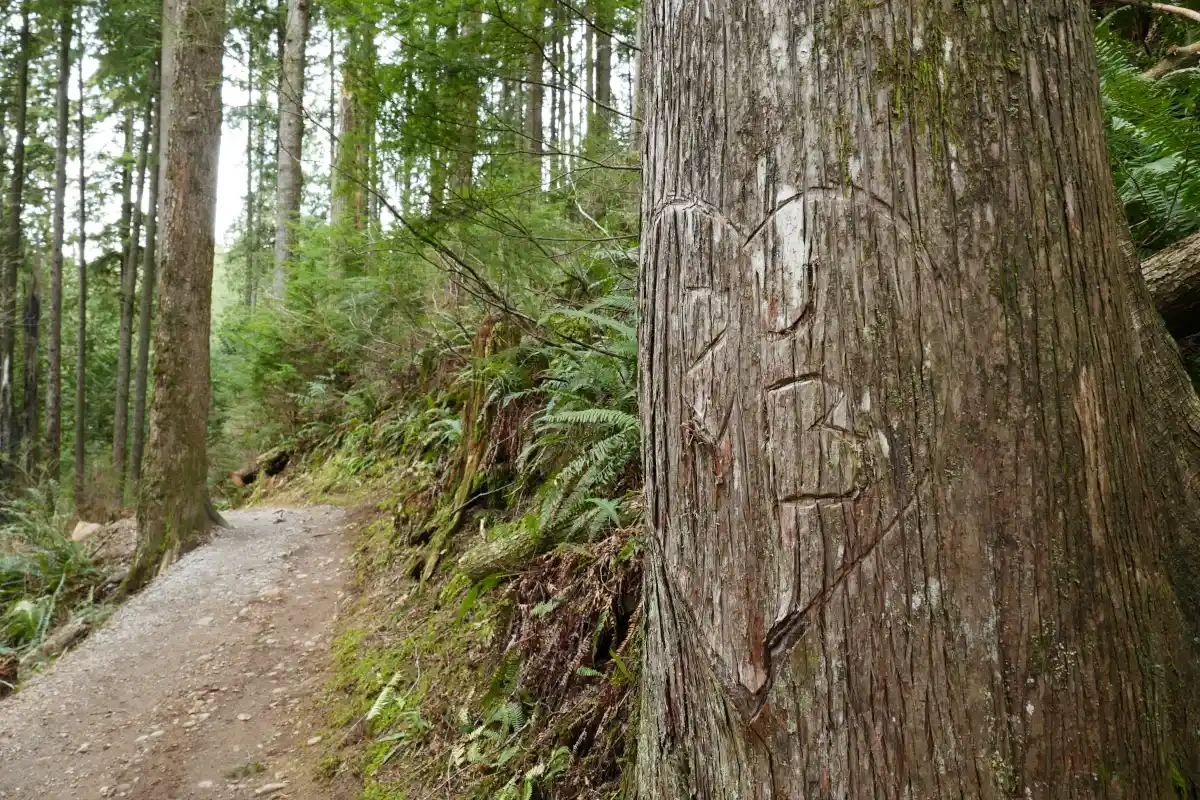
- Activity: Carving or writing names, initials, or other graffiti into/on trees, rocks, or buildings.
- Alternatives: Don’t. Take a photo, sign the summit register, or take up geocaching and sign those. It’s pretty fun.
- Activity: Leaving dog poop bags or leaving dog poop on the trail.
- Alternatives: Grab a stick and flick that shit. Train your dog to go before the outing, or well off-trail. Yes, it can be done, because I’ve done it with my otherwise untrainable goofball of a dog.
- Activity: Leaving toilet paper
- Alternatives: Ideally, pack it out. If you can’t and there’s a lot of it, dig a cat hole prior to doing your business and bury the whole thing. If it’s a smaller amount, use a stick and poke it into the ground. Ladies, get a Kula Cloth or one of the cheaper alternatives. They’re amazing.
- Activity: Leaving garbage behind
- Alternatives: Pack it out, you heathens. If you carried a full can of beer or pop in, you can crush the much lighter, empty can and stick it in your pocket. Orange peels also count as garbage because they don’t decompose quickly. Litterbugs should also know that trees and stumps are not magical and do not make garbage disappear.
- Activity: Cutting trees, shrubs, wildflowers, or any other vegetation
- Alternatives: Don’t. Unless it’s blocking the trail, then go for it.
- Activity: Ripping down signage
- Alternatives: Again, don’t. Not following the unwritten rules actually results in more signage. Go home and write an angry Facebook post about your hatred of informative signage and leave it alone.
- Activity: Braiding the trail or going off-trail in sensitive habitats.
- Alternatives: Follow the marked trail. Pick a different one if you don’t like the established route. There are plenty of them.
A Visitor’s Guide to Driving Etiquette in BC
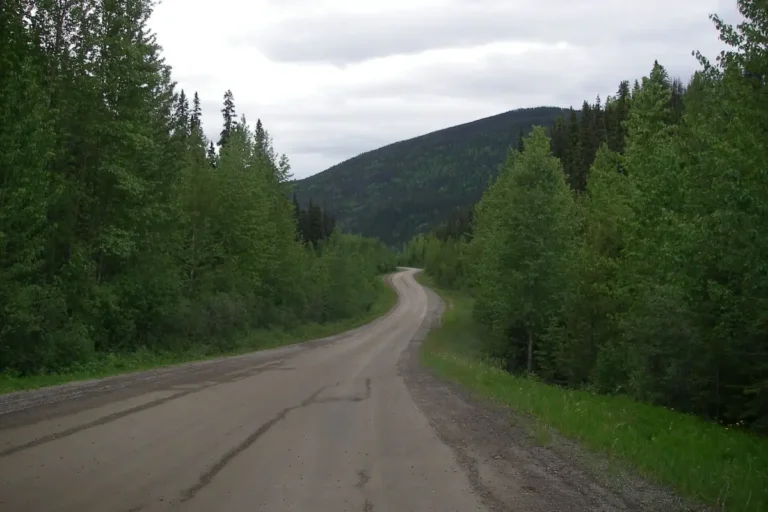
Since BC has a lot of unwritten rules, it’s worth mentioning that they start on the way to the trailhead. Driving culture in BC is different than other places because of our topography. Since our province is mountainous with winding roads, British Columbians have a set of unspoken rules to maintain efficiency while travelling. These rules are widely adopted and disruptive if not followed, often sparking frustration.
If your curve speed is slower than that of the traffic behind you, you should maintain that speed when you reach the next passing area. This allows traffic to rearrange itself to maintain efficient flow through the next set of curves.
Passing lanes can be few and far between on winding roads, which makes this especially important in order to prevent congestion. If there are no passing lanes and you’re noticing a train of enraged cars building behind you, it’s common courtesy to pull over at the next safest spot to allow others to pass.
In short: let others pass. If you speed up on the straight section after going slow through the curvy section and prevent others from passing, you will almost always be causing nuclear levels of rage for the BC driver behind you. Don’t be that guy.
Further Reading: Leave No Trace Principles
Check out our guides to Wildfire Safety in BC and Planning Your Hike.