Exploring BC’s Abandoned Places
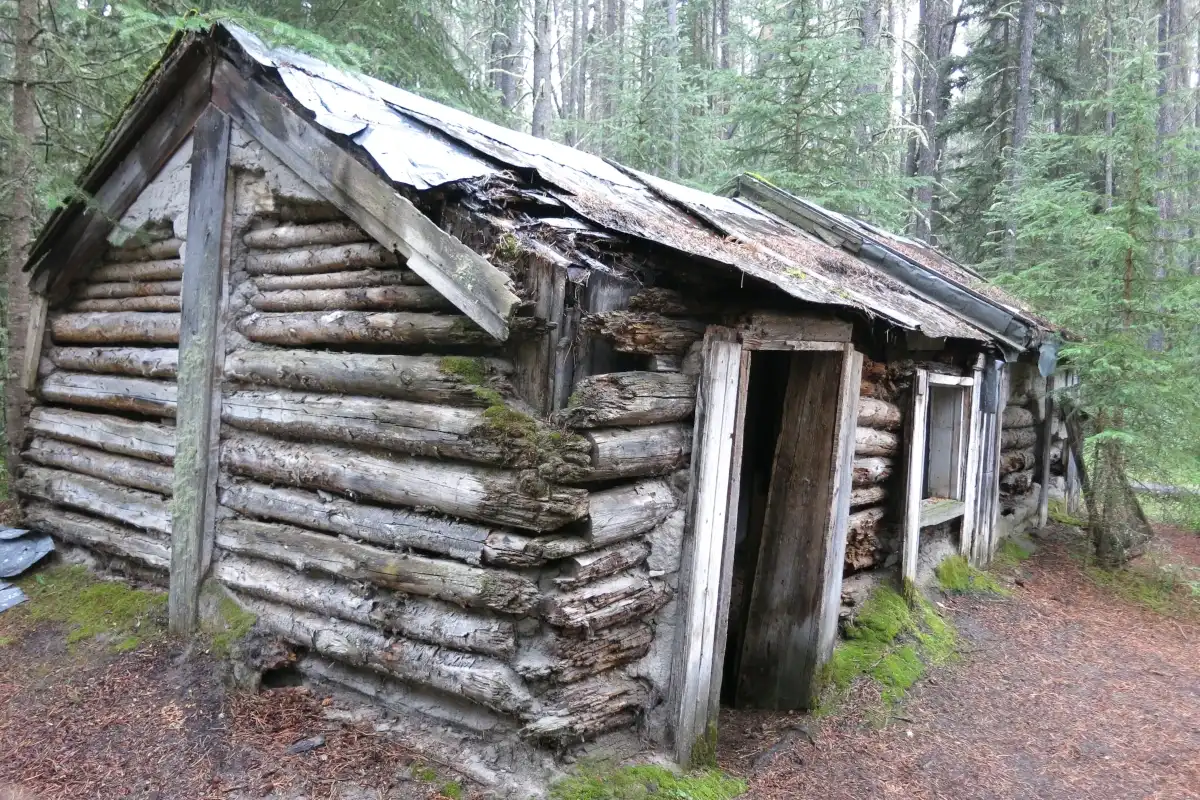
British Columbia is full of abandoned places to explore. During the era of settlement and resource pursuit, the wild areas of the province were much more populated, leaving behind old mines, trapper cabins, crumbling canneries, and overgrown homesteads. Whether stumbling across old ruins in the woods or going searching for a long-lost place, it’s wise to educate yourself on safety and etiquette before setting out.
Love exploring? Check out our guides to plane crash hikes, ghost towns, and bush graves.
Finding Abandoned Places
Not everyone shares secret places, and in fact, you probably shouldn’t either. If a place is already widely known on social media, it’s fine to share it, but relatively unknown places should be kept a secret. Unfortunately, high traffic to these places leads to vandalism and damage, and it’s one of those things that you can’t undo once it’s done.
Books: When it comes to reading about long-lost places, the older the better. Out-of-print books, while difficult to find, are a treasure trove of information, especially if they’re written by old-timers.
Newspaper Articles: Old newspaper stories can be a goldmine of information if you know how to search for information. While the best site out there to access them is Newspapers.com, there are also a number of places with old newspapers available online, though they’re not always as well-indexed or easily searchable. Examples:
- UBC’s BC Historical Newspapers
- Thompson-Nicola Newspaper Archive
- Nanaimo Archives Research Links
ProQuest: This is available online through your local library, and has the Vancouver Sun, Province, and Victoria Times-Colonist searchable for free.
UBC Open Collections: While not as searchable, there are lots of small town newspapers in this database.
Archives: Digitized collections are a treasure trove of information, containing not just old photos, but maps and drawings as well. Check the provincial archives, as well as those in major cities. Most archives will have things from other regions as well. Places like the Glenbow Archives in Alberta are a good resource for the eastern parts of BC. BC Regional Digitized History is a great resource to view holdings of smaller communities in one place.
Parcelmap: If you’re exploring, you’ll want to make sure that you’re not trespassing on private land. If you know the location of the place you’re exploring, browse the map and check to make sure it’s on Crown land.
Minfile: There’s a bit of an art to using Minfile, which is the government’s database on mining claims. Keep in mind that when using this, it contains information on active claims as well as those of historical interest. Please stay out of active mines, and be respectful if you see new activity at historic claims. A listing in Minfile does not mean a site is safe, accessible, or legal to enter.
A Safety and Etiquette Guide to Exploring Old Places
Disclaimer: Exploring abandoned places comes with inherent risks. Conditions change over time, and readers are responsible for their own safety and for following all applicable laws.
Practice good etiquette.
Make sure that the site you’re exploring is on Crown land. If you’re interested in a place on private property, get permission from the owner. Many abandoned sites may be on reserve land or have cultural significance. Accessing these areas without permission is not allowed.
Obey all signage and stay out of fenced areas. Don’t break into locked places.
Old buildings can be dangerous and unstable. Trapper cabins, mines, homesteads, old industrial buildings, and dump sites all have the possibility of containing sharp objects. Entering old structures can be dangerous due to collapse, asbestos, or hidden hazards.
Pre-1846 archaeological sites in BC are protected under the Heritage Conservation Act, meaning that artifacts cannot be removed or disturbed.
Sites that date after 1846 are technically not protected, but ethical guidelines apply. It’s good etiquette to take only photos. That way, everyone who visits can enjoy the history. Modern garbage, including plastic and broken glass, is okay to remove.
BC Parks and National Parks are protected. Take only photos here, and leave only footprints.
Don’t go into mines unless you are knowledgeable and trained in safety hazards. Mines can be unstable or flooded, and contain vertical shafts, toxic, odourless gases that can suffocate you, and other hazardous materials.
Old mines are also great habitat for bats, and both species and their roosts are protected in BC. Because bats are also the only species in our province that carries rabies, if you do encounter them, it’s best not to proceed. Rabies is fatal if untreated, and bat bites can be painless, so any potential contact should be evaluated by a medical professional.
Navigation and Preparedness
Most abandoned and historical places are going to be located off-trail. This often means bushwhacking, sometimes through difficult terrain. Those who want to explore these places should have good off-trail navigation skills. You do so at your own risk. Before setting out, make sure you:
- Go through all pre-trip safety checks.
- Leave a trip plan.
- Have a reliable method for navigation.
- Bring your Ten Essentials.
- Bring any other gear needed for the trip.
- Know your physical limits.
- Turn back if things aren’t going as planned.
Note: This article is for general information only and is not a substitute for professional or site-specific safety advice.