A Guide to Crown Land Camping in BC
With prices rising for parks and private campgrounds, and reservations becoming increasingly competitive to obtain, more people are turning to Crown land for camping in British Columbia. Crown land is land that is owned by the provincial and federal governments and makes up 94% of BC’s land base.
Also called wild camping, the backcountry offers an abundance of free camping spots. For those just starting out, figuring out where to go, how to find spots, and how to minimize your impact is an important step in planning your trip.
Crown Land vs. Rec Sites
If camping without amenities is too intimidating, the province also operates Recreation Sites. These are free or low-cost backcountry campgrounds that include basic amenities like picnic tables, fire pits, and outhouses.
Rec sites can be poorly maintained and difficult to access. If you’re interested in camping in one, first check the RSTBC listing for information on whether it requires a high-clearance 4WD vehicle to access the site.
Where Do I Find a Crown Land Map for BC?
While there isn’t a user-friendly map of BC’s Crown land, there are a couple of things you can check before heading out. Backroad Mapbooks are a great resource for backcountry trips, but if you want to be absolutely sure that the place you plan on going is Crown land, check Parcelmap. Zoom in on the area you’re interested in until the land parcels appear. In most cases, land that is not shown as a parcel is Crown land.
While Crown land camping is typically free, it is not permitted everywhere. Some areas have access restrictions, active resource operations, wildlife closures, or other regulations that may affect camping. Crown land camping is not allowed within the following areas:
- Indigenous reserves and management areas
- Private land
- Municipalities, regional districts, and cities
- Federal land
- Crown land licensed to companies or other users (hydro, logging, mining, etc)
Check for signage indicating access restrictions before you set up camp. Usually, if you’re within an area where public access is not allowed, there will be signage, gates, and fencing asking you to stay out. If you do pass through an open gate, such as within Vancouver Island’s Mosaic Forest Management lands, consider that the gate may be locked behind you. If someone asks you to leave, politely pack up and move on.
How Long Can I Camp on Crown Land?
You can camp on Crown land for up to 14 days, after which you must leave the site for at least 72 hours.
Can I Take my 2WD Car on Forest Service Roads?
Most main industry roads are usually 2WD accessible, while secondary roads can vary in condition. If you’re not familiar with backcountry travel, read up on forest service road safety before you go.
Cell service is often unavailable in the backcountry. Before heading out, tell someone where you’re going and when they can expect you back, bring a map or other reliable navigation, and ensure you have the tools or equipment necessary to be self-sufficient in the event of a breakdown or emergency.
How to Find a Crown Land Camping Spot
Finding the perfect spot to camp requires a little bit of exploration and a touch of adventure. While at first it can be a little intimidating to head into the unknown without knowing for certain where you’re going to camp for the night, after a few times you’ll end up with a list of your own secret hideaways.
- Explore forest service roads.
- Look for existing clearings and established campsites.
- Word of mouth.
- Check for trip reports on social media.
Backcountry Etiquette
Unfortunately, some areas of the backcountry are hotbeds for shooting, dumping, vandalism, and ecosystem damage. Always practice good etiquette when in the outdoors. Since camping is an activity that can have a high impact on the environment, it’s important that you keep self-sufficiency in mind when preparing for your trip. Consider that your campsite will lack the following:
- No picnic table
- No fire pit
- No water
- No outhouse
- No firewood
While some people do cut their own firewood, there are significant long-term impacts if everyone who visited Crown land did so. It’s best to bring your own. If you do want to obtain firewood from Crown land, you must first obtain a permit.
Toilets, too, can be a major problem when camping with no facilities. Nobody wants to stumble across piles of human waste and toilet paper in the wilderness. If you don’t have a portable toilet, many people make one by lining a large bucket with a garbage bag and improvising a toilet seat out of a pool noodle. The best practice for going outdoors without a toilet is to make sure you’re at least 60 m from any water sources, dig a 15 cm deep cathole, do your business, and bury the waste afterwards.
Bring your own water or bring filters, drops, or another water purification method before consuming water from lakes or streams.
At the Campsite
Once you’re set up at your campsite, make sure to keep in mind the environmental impact you’re having. This isn’t just about not cutting trees and smashing bottles, but keeping any wildlife attractants secured.
- Don’t build structures.
- Don’t cut or damage trees and vegetation.
- Don’t litter.
- Follow best practices for building fires.
- Follow all wildfire restrictions.
- Secure wildlife attractants.
Remember it’s not only bears that can be a problem, but small rodents as well. Keep food and anything else scented (dishes, toiletries, garbage) locked inside your vehicle, bring a bear canister, or secure it using the bear hang method at least 50 m from your campsite.
When washing dishes, first scrape leftover food residue into the garbage. Never dump greywater or food bits into water sources; instead dispose of it at least 60 m from the campsite.
When it’s time to leave, make sure that you leave your campsite better than you found it. Ensure that fires are completely out and cool to the touch, all garbage is picked up, and consider disassembling your fire pit and picking up any garbage that may have been there when you arrived. By being a good steward of the land, Crown land camping in BC can be an enjoyable experience for everyone.
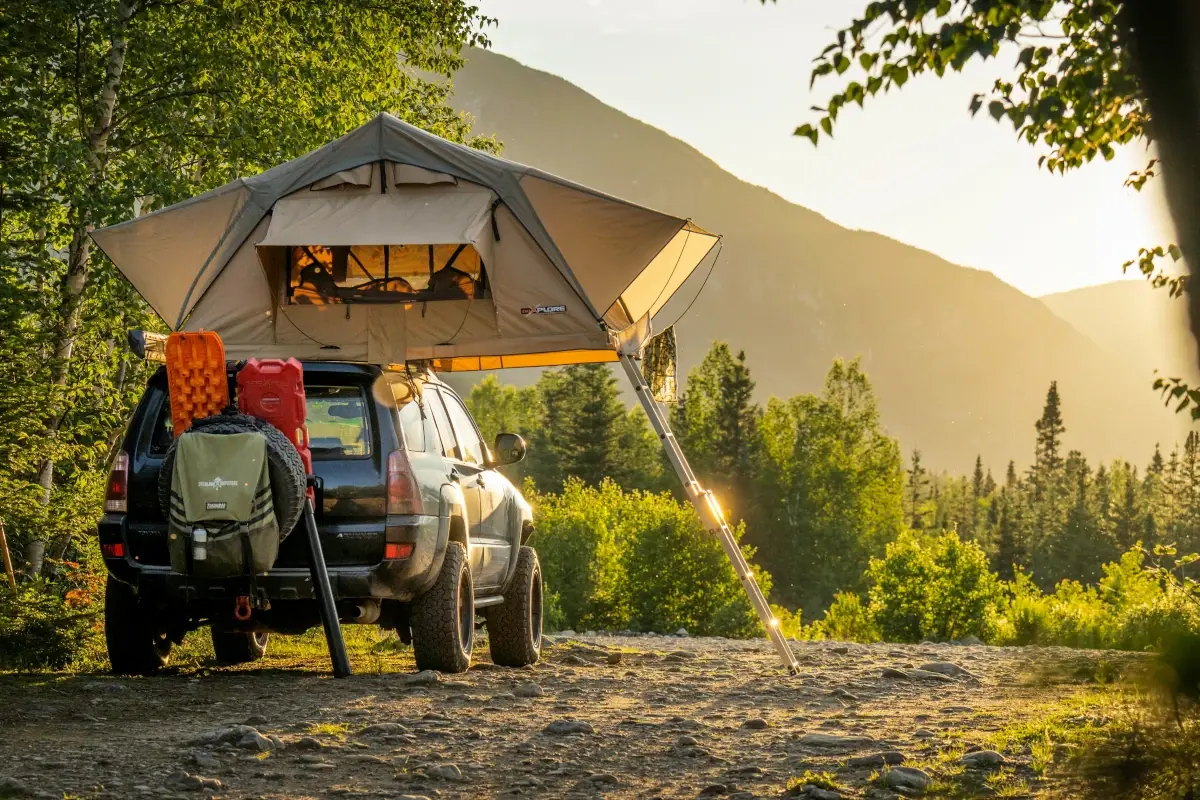
Cover photo by Alfred Boivin on Unsplash.