What to Do If You Find Abandoned Hiking Gear
When you find gear on the trail, it usually means one of three things: someone has lost it, someone has intentionally stashed it, or someone is in distress. Coming across abandoned gear while out on a hike can sometimes be alarming, but it doesn’t always indicate that someone is in trouble. Circumstances can help to distinguish between the three.
Lost Gear
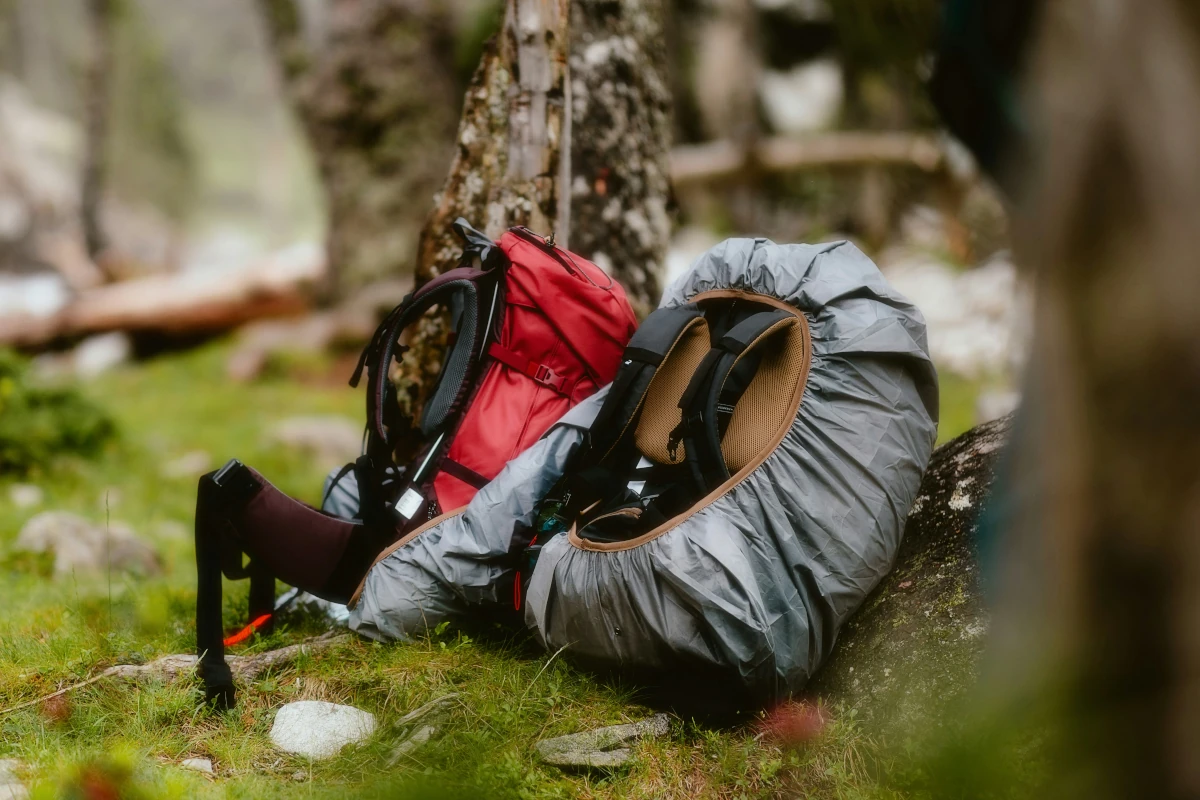
People lose gear all the time. If it’s found on a trail, it’s likely to have simply fallen from someone’s pocket or pack. Gear found at a viewpoint or other stopping point may simply have been accidentally left behind.
Most of the time, it’s fine to carry the found gear out to a trailhead and leave it hanging where someone can spot it. More valuable items can be brought home and posted on social media to try to locate the owner. It can also be dropped off at a park’s office, if applicable, or at the local police department. If there is identification in the gear, you may be able to contact the owner directly.
Why Stash Gear?
Stashing gear is actually fairly common. If you’re carrying a large pack and want to do a side trip, it makes sense to tuck your heavy gear away and retrieve it on the way back. Thru hikers can also arrange caches along their route so that they can resupply, and in turn drop off unneeded items to be picked up.
Intentionally stashed gear will sometimes be accompanied by a note or other indication that it’s been left on purpose. Cached gear that contains food will usually be in some waterproof, wildlife-resistant container as well. It will also likely be tucked out of sight, near some kind of landmark or trail access.
When to Worry About Abandoned Hiking Gear
Finding gear can also mean that someone is lost, injured, or otherwise in distress. One famous case is that of Jordan Naterer, who disappeared while hiking the Mt Frosty Trail in 2020. His gear was found off-trail several months later, which eventually led to his remains being located.
Whether or not you should worry about a lost hiker when you find abandoned gear really depends on a gut check. Asking yourself these questions can help you to decide what to do:
- Has the gear been out in the weather for a period of time (debris on it, moldy, wet, etc)?
- Has it been chewed on by rodents or other wildlife?
- Are there remnants of a party or encampment nearby?
- Is it tucked off the side of a trail?
- Is it well off-trail in an area someone wouldn’t normally be?
- Is it a daypack or overnight gear?
- Is there a note or other indication of intent nearby?
- Is there a trail or summit register nearby that indicates a potential owner?
If the gear is fresh and tucked away just off a trail, odds are that the person is out on a side trip and will come back for it later. If it’s well off-trail and looks like it’s been there for a while, then it likely should be looked into further. Time of day matters as well. Gear found at dusk is very different than finding it at noon, especially in the off-season.
What it comes down to is circumstance and your gut feeling. If something seems off, report it. The worst that can happen is you’ve made a phone call, and at best, you’ve helped someone.
How to Report Abandoned Gear
You should report any suspicious abandoned gear to emergency services and seek advice from the police. Most of the time, this means a call to the non-emergency line, but if there are signs of immediate danger, then call 911. Police will have information on any missing hiker cases in the area, or anybody recently reported missing, and they can also advise you on what to do.
- Don’t take the gear (Unless advised to by emergency services. Moving gear can remove clues needed by search teams to locate someone.)
- Photograph the gear.
- Mark its location.
- Report it as soon as possible.
Some might think that calling SAR directly will waste less time, but this isn’t the case. In many jurisdictions, including British Columbia, SAR is activated by emergency services. This means that for Search and Rescue to go out, they need to be asked to do so, most often by the police. What this means is that if you think someone is in trouble in the outdoors, your first call should be to 911, who can then decide to send out SAR.
If you hike regularly, chances are you’ll eventually find something on the trail, usually small things like hats, sunglasses, and water bottles, or even a daypack accidentally left behind at a viewpoint. It’s common practice to hang these items in a visible spot nearby or to carry them down to the trailhead and leave them where they can be found by the owner. Most of the time, abandoned gear is innocent, but on the off-chance it isn’t, reporting it just might help to save a life.