Should You Feed Whiskey Jacks? A Hiker’s Guide
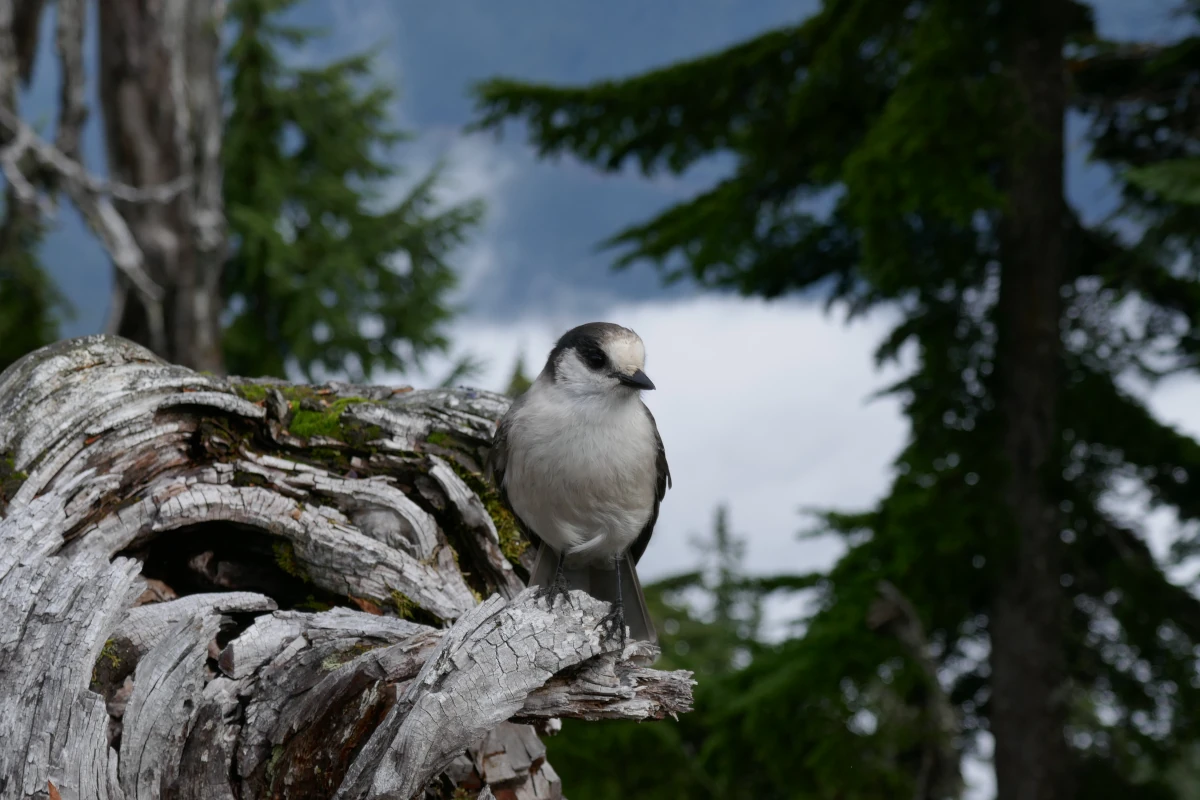
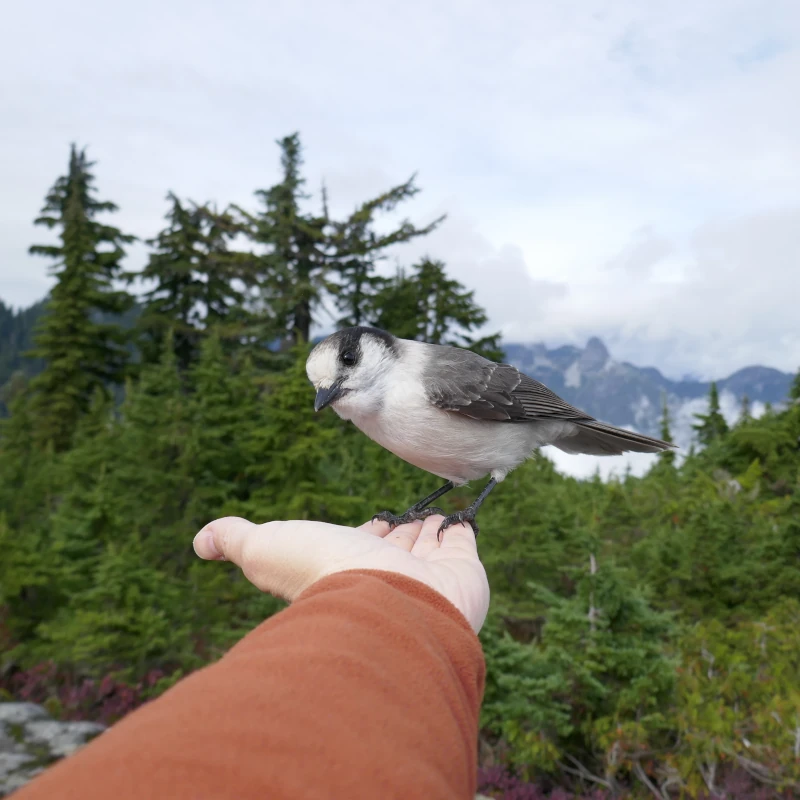
Hikers venturing into BC’s subalpine areas will inevitably encounter the whiskey jack, Canada’s beloved, cheeky jay. Unafraid of humans, they’re happy to land on an outstretched hand in search of food. These smiley, friendly, inquisitive little birds are irresistibly lovable, and the highlight of many a hike.
It’s perhaps fitting that the whiskey jack was named after the trickster Wisakedjak, featured in many First Nations stories. Other common names include gray jay, Canada jay, and camp robber. Found in boreal and subalpine forests throughout most of Canada, they were historically camp raiders to trappers, loggers, prospectors, and other frontiersmen.
These days, while they can still be found robbing campsites, most of the time they’re encountered by people on popular trails at higher elevations. If you stop for lunch or a snack, chances are they’ll swing by hoping for a morsel of food. While it’s human nature to want to befriend them, feeding them can sometimes unintentionally harm them.
Is It Learned Behaviour?
Whiskey jacks are inherently inquisitive and will often approach humans even in remote areas. That said, like any other wildlife, once they associate humans with food, the habit can’t be broken.
In the wild, they eat mainly seeds, fruit, insects, and carrion. Using sticky saliva, they cache food in trees all summer in preparation for winter. As a hiker, when you feed these birds, sometimes you’re not actually feeding them. You’re helping them grocery shop to stock up for winter, and the content of their food caches is important for their survival. That means what you help them store needs to be able to keep for the long term.
Feeding Whiskey Jacks: Guidelines vs Reality
Feeding dangerous wildlife in BC is illegal under the Wildlife Act, as there is a historic track record of habituated wild mammals becoming aggressive towards humans. It harms both them and you. That said, birds are not usually considered dangerous wildlife, though in cities, bylaws may prohibit the feeding of some species that can become pests if fed. In some areas, whiskey jacks have also become pests, so obey any posted signage asking you not to feed them.
As someone who used to work in wildlife rehabilitation, I’ve seen firsthand the unfortunate effects humans have on wildlife. The best practice is not to feed anything and just leave the wildlife alone. However, I also know from experience that people are still going to do it. Therefore, I think it’s important that hikers be educated as part of trail etiquette on what they can safely offer a whiskey jack without unintentionally harming it.
Human Food is Junk Food
Let’s talk junk food first. What is junk food to birds? It’s any processed human food that might fill their bellies, but provides little nutritional value, for example bread, granola bars, salted snacks, cookies, crackers, and fruit leather. Whiskey jacks, like any other animal, have specific dietary requirements. I’ve seen firsthand wildlife that’s been emaciated, sick, and even crippled for life from being fed human food. In the wild, those things are a death sentence, especially for juveniles.
Caching behaviour is another reason why it matters so much what you offer to whiskey jacks. In southwestern BC, milder winters and the freeze-thaw cycle are causing cached food to rot. In a recently published 30-year study of mountain bird species in southwestern BC, it was found that whiskey jacks’ populations had declined. The aim of the study was to find out whether mountain bird species will move uphill as temperatures warm due to climate change. Most species were adapting well, but whiskey jacks were the exception. The cause may be for many reasons, but rotting caches may play a large role.
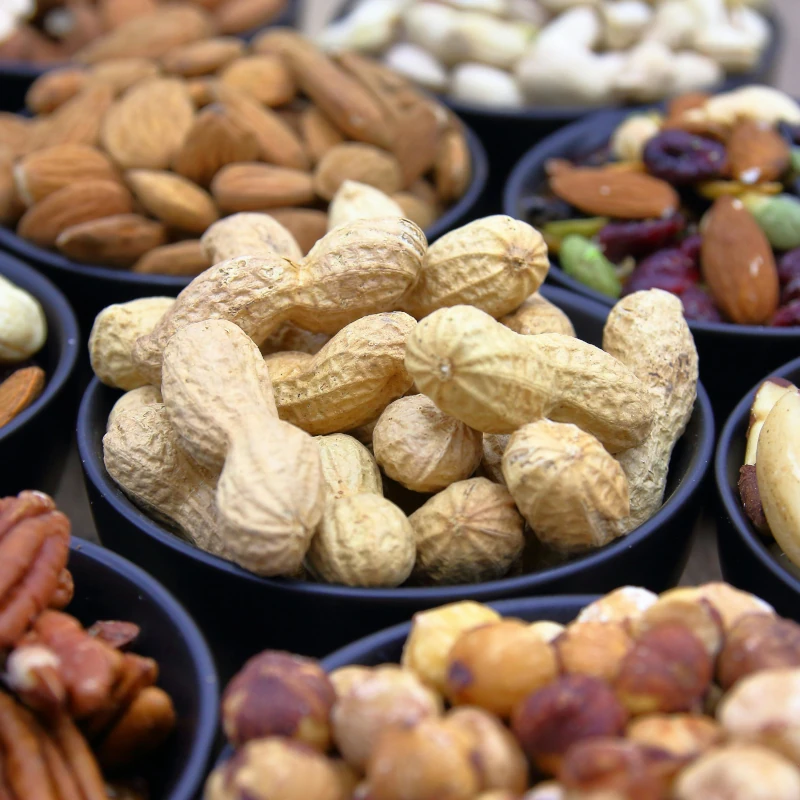
So, if you intend to feed whiskey jacks, don’t give them things that will rot, and also don’t give them junk food. If you’re one of those people who won’t be talked out of feeding whiskey jacks, then make sure you prepare beforehand and bring along things that are nutritious and cacheable. Whiskey jacks might enjoy similar snacks to what you’d offer your backyard bird buddies:
- Raw nuts and seeds, unsalted
- Peanuts in the shell, unsalted
- Suet nuggets
Yes, that’s it. That’s the list. Raw nuts and shelled peanuts can be found at the dollar store, but you’ll have to go to a bird specialty store for suet nuggets.
The bottom line is that feeding whiskey jacks can harm them, and you shouldn’t do it. If you absolutely must, then it’s a plan-ahead kind of situation. Put together a bird bag full of healthy, stashable treats, chuck it in your pack, and help our little feathered buddies stay healthy and alive in the wild.
The best part about having whiskey jacks drop by the viewpoint is really just the novelty of them coming over and landing on your hand. Guess what? You don’t actually need food to make that happen. They’ll very often land on an empty, outstretched hand just as happily.
Author’s Note: The whiskey jack in the featured image was perched close by as we scattered my grandma’s ashes on a hike. Its inquisitive, friendly watchfulness created smiles in a sad moment.
What other birds to British Columbians love? Well, we’re pretty fond of our intrepid little hummingbirds as well.