8 Caves Worth Visiting on Vancouver Island
When most people think of Vancouver Island, they picture big trees, beaches and artists, not caves. As one of the top caving destinations in the country, Vancouver Island is home to thousands of caves, and likely thousands more have yet to be discovered.
Getting to the island’s caves can be a challenge. The North Island is a hot spot for caves, but you won’t find most of them. Between summer paddling adventures, I used to go cave hunting, which once ended with ripping a windshield wiper off on an overgrown logging road.
Luckily, you don’t have to destroy your vehicle to visit caves on the island. There are several that are well-known, easily accessible, and make for fun family outings.
Inland Caves
Horne Lake Caves
Located on the mid-island near Qualicum Beach, the Horne Lake Caves are one of the most popular attractions on the island. This family-friendly provincial park features a short walk to caves that you can explore on your own, as well as guided cave tours. Tucked away in the forest, they’re a nice afternoon outing for visitors of all ages.
Directions: From Highway 19 north of Qualicum Beach, turn west onto Horne Lake Road and follow the signs to Horne Lake Caves Provincial Park.
Upana Caves
The Upana Caves Interpretive Forest Site, near Gold River, is one of Vancouver Island’s finest caving adventures. A short trail takes you through old-growth forest to the park’s five caves. It also features a waterfall viewpoint and a viewing platform where a river that runs through the cave system can be seen reappearing.
Directions: The caves can be found between Gold River and Tahsis. From Gold River, follow Gold River Rd, and continue following signage directing you to Tahsis. Look for signage directing you to the caves.
Little Huson Caves
The most popular of the Northern Vancouver Island caves, Little Huson Caves Regional Park makes for a nice side quest on the trip up-island. A short trail from the parking lot takes you over a natural bridge and down to the main cave on picturesque Atluck Creek. The park boasts 15 caves, but most visitors will find the stunning Cathedral River Cave adventure enough.
Directions: The park is located approximately 9 km from Highway 19, 150 km north of Campbell River. Watch for signs directing you to Zeballos. At the junction, turn onto Zeballos Main. There will be signage directing you to the caves, located on Atluck FSR.
Artlish Caves
Adventurers who are prepared for a long backcountry trek can attempt to visit Artlish Cave Provincial Park. It’s included in this list mostly for informational purposes, since a trip here is not for the faint of heart. Since road access to the park is no longer possible, visitors must drive active forest service roads to deactivation points, then walk the remaining distance. Plan for an off-the-beaten-track hike of at least 12 km. Bushwhacking and crossing rivers on foot may be necessary. The park is unmaintained, and the topography and caves may be dangerous.
Directions: See the official BC Parks page for tips.
Sea Caves
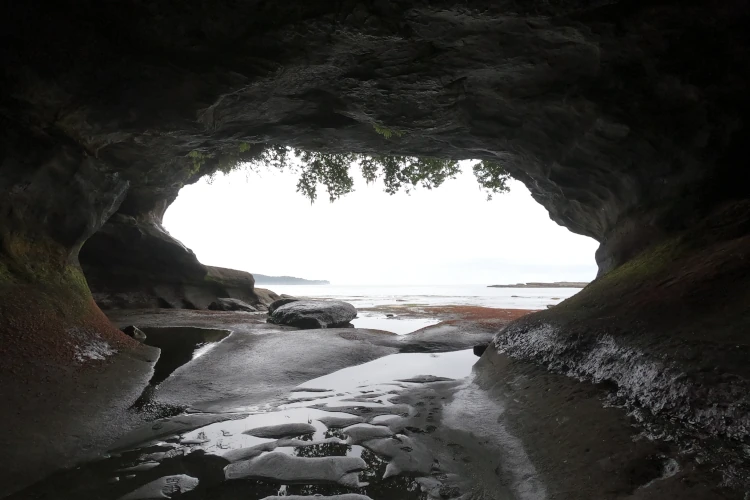
The relentless pounding of the West Coast surf is the primary driver behind the formation of Vancouver Island’s sea caves. Over time, wave action erodes weak spots in the rock. This means that most sea caves you can visit are partially or completely underwater at higher tides. If you want to explore them, be sure to plan your visit at low tide, when they’re exposed and reachable. Be mindful of rising tides so that you don’t get trapped around headlands or cut off from your route out.
Rosie Bay Sea Caves
Sea caves can often be difficult to find near civilization, but luckily these ones just around the corner from Chesterman Beach in Tofino are just a beach walk away. Explore tide pools along the way and create a cave-framed photo of the sea from the inside looking out. These caves are only accessible at very low tides, so visits should be planned carefully.
Directions: From the Pacific Rim Highway in Tofino, turn down Chesterman Beach Rd. Park in the South Chesterman Beach lot and head down the access to the beach. Walk south, and, if safe, proceed around the small, rocky headland to Rosie Bay.
Sombrio Beach Sea Cave
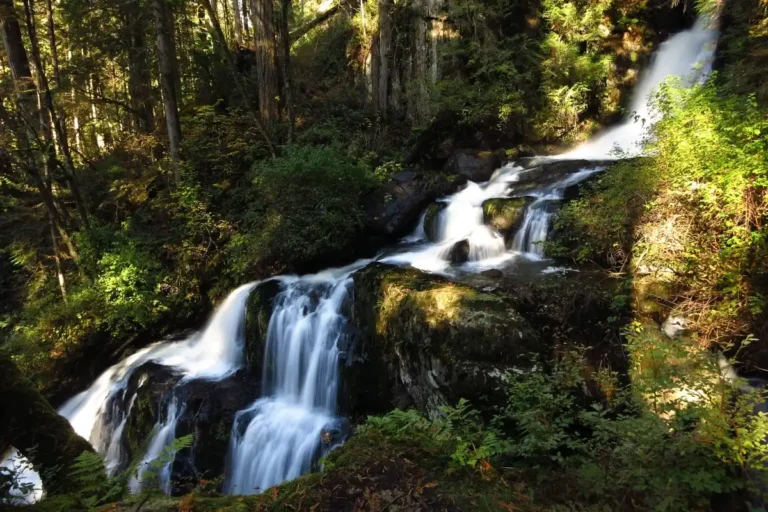
Between Sooke and Port Renfrew lies the extremely popular Sombrio Beach, a part of Juan de Fuca Provincial Park. It’s a fantastic place to explore sea caves and watch surfers play in the waves. The main attraction is a narrow, picturesque canyon with a waterfall inside it, located at the east end of the beach.
Directions: Accessible via a gravel road on the west side of Highway 14, approximately 21 km from China Beach Campground.
Mystic Beach Sea Cave
If you like poking around on beaches, Mystic Beach is one of several in Juan de Fuca Provincial Park that you can access from Highway 14. It’s a great place to go beachcombing and see the fascinating geology of the west coast, which includes a sea cave.
Directions: Mystic Beach can be accessed via a trail from the China Beach Day Use Area, just a short distance down the road from China Beach Campground.
San Josef Bay Sea Caves
Caves are just one of many things to see on a trip to Cape Scott Provincial Park and San Josef Bay. The park is located on the northwest tip of Vancouver Island and requires a long drive down active hauling roads. San Jo is one of the most popular beaches on Northern Vancouver Island. From the parking lot, it’s a 2.5 km walk down an accessible trail to the beach, where the caves can be accessed during low tides at the northwest end, near some spectacular sea stacks. Access is tide-dependent.
Directions: From Port Hardy, follow signage to Cape Scott Provincial Park. The last few kilometres of road are known to be poorly maintained, but 2WD vehicles can make it there so long as you go slow and take care to avoid the numerous potholes.
Cave Ecosystems
Cave ecosystems are unique and fragile. Many of the caves listed here have already been significantly damaged by human activity. Stalagmites and stalactites can be easily damaged by oils from human skin. Introduced bacteria and fungi can also harm the cave’s ecosystem.
While exploring caves, you might encounter bats and insects. One of the most common insects encountered during caving is the Cave Cricket or Camel Cricket. While creepy in appearance, they’re harmless to humans.
If you encounter bats, take care not to disturb them. Bats are the primary carrier of rabies in BC, which is fatal if contracted. Rabies is typically transmitted through saliva, and since bat bites can be small and painless, physical contact with a bat should be followed by a medical assessment.
White Nose Syndrome is a fungus that, once contracted, causes bats to wake from hibernation too early, leading them to die of starvation. It can unintentionally be introduced to caves on clothing or gear. As of 2026, no cases of WNS in bats have yet been found in BC, but the fungus has been detected in bat droppings in some regions.
Exploring Caves Safely
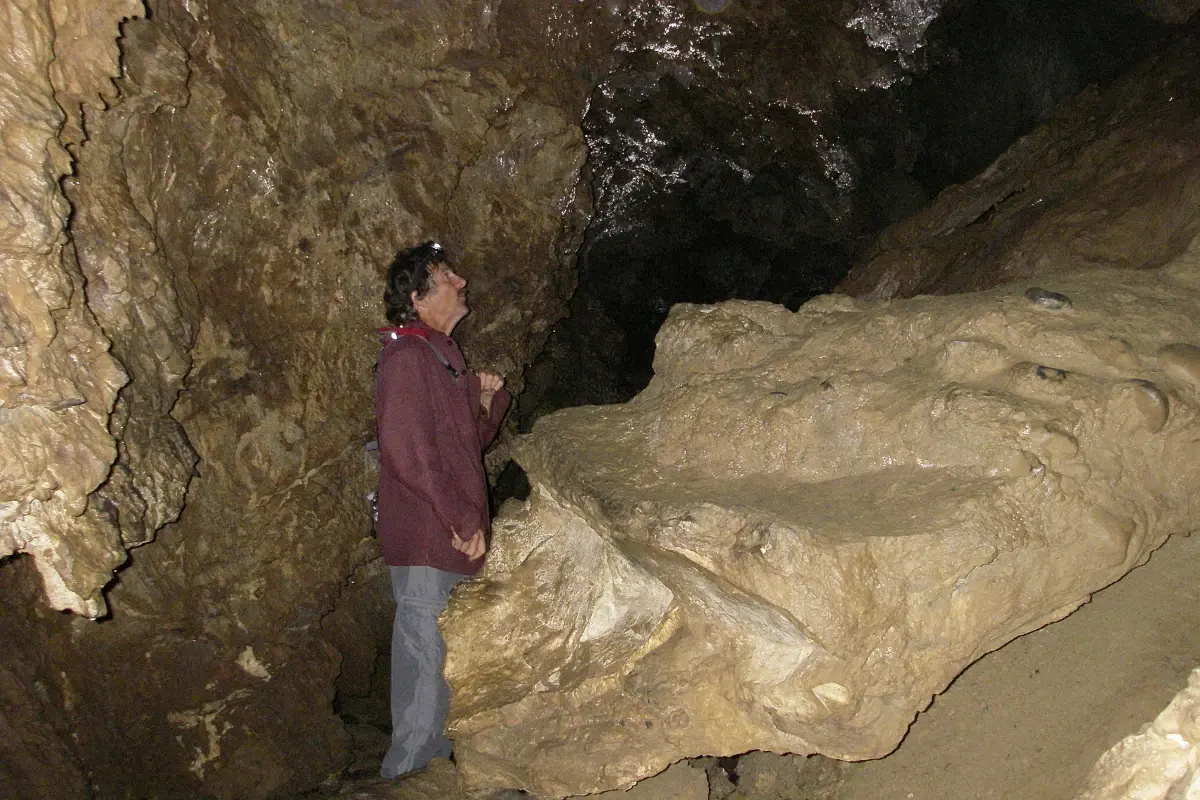
Enter caves at your own risk. While most of the caves on this list are easy to access and well-known, it’s still good to be prepared before venturing inside. To protect both you and the cave ecosystem, consider bringing the following gear in addition to your ten essentials and leaving a trip plan:
- Gloves
- Helmet
- Two light sources
- Spare batteries
- Sturdy footwear
- Warm clothing
Places like Horne Lake Caves may have gear available for rental.
Caves are hazardous environments. There can be airborne pathogens, poor air quality, low oxygen areas, and flooding. Explorers run the risk of falling, being struck by rocks or debris, getting lost or stuck, and hypothermia. Equipment like flashlights or headlamps can also fail or be damaged.
Caving Ethics
The west coast of Vancouver Island is dotted with sea caves, many of which may be accessible at lower tide. Historically, some sea caves were Indigenous burial sites, which are protected under the Heritage Conservation Act. If you do come across human remains or artifacts in a sea cave, do not disturb them and leave the site immediately. The locations of these caves should not be disclosed.
Though there are thousands of caves on Vancouver Island, the vast majority of them rightfully remain a closely guarded secret for ethical and conservation reasons. If you do choose to go looking for caves to explore on your own, please continue to keep their locations private.
Those interested in more technical spelunking and cave exploration can check out the Vancouver Island Cave Exploration Group or the British Columbia Speleological Foundation.
More in this series: 5 Caves to Explore in BC’s Lower Mainland