How to Dispose of Old Bear Spray in BC
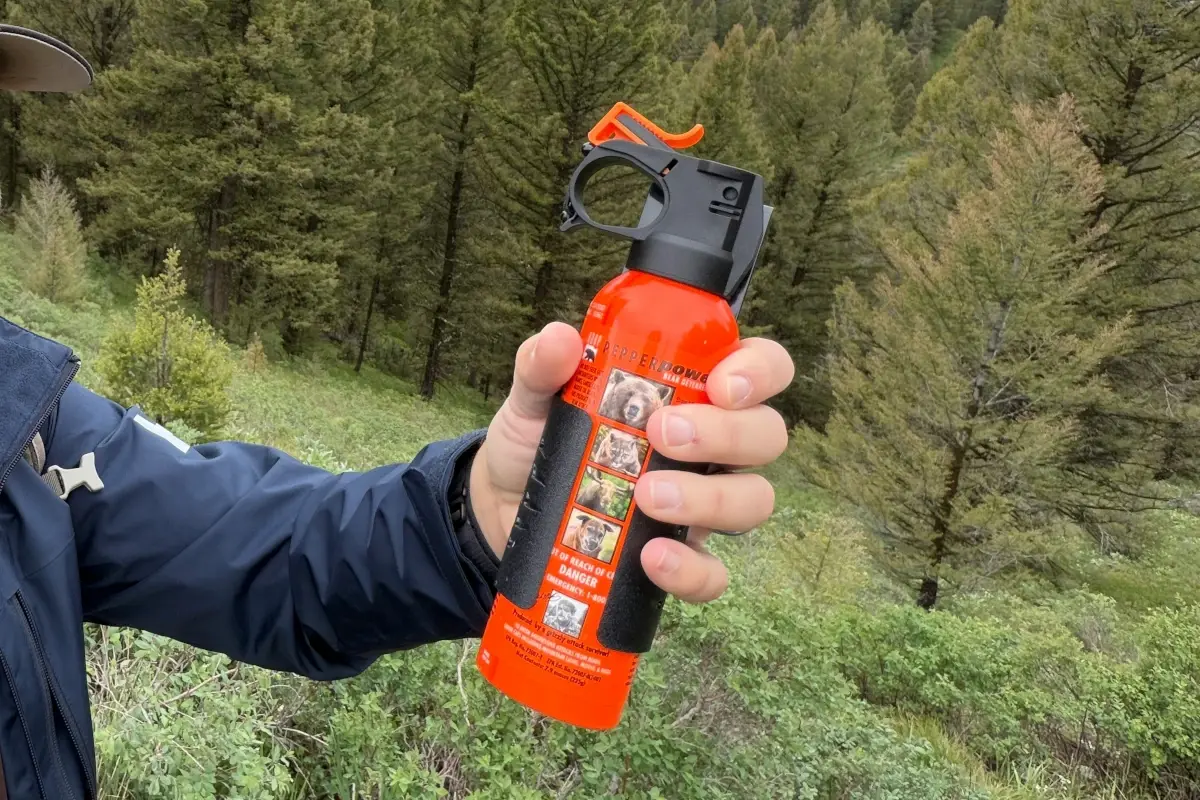
For most British Columbians, bear spray is considered essential gear for backcountry adventures. Whether you’re paddling remote waters or exploring old fire lookouts, carrying bear spray is a smart wilderness safety decision. If used correctly, it’s one of the most effective deterrents against bear encounters and can also be used against other large predators.
If you’re reading this article, you’re probably already familiar with how and when it should be used, but if not, check out WildsafeBC’s guide.
The most important things to do to ensure that you’ll be safe in case of a bear encounter are making sure that the spray is easily accessible and checking the expiry date. With a shelf life of 3 to 5 years, this means that over time, outdoorspeople end up with a pile of expired spray. Is expired bear spray still okay to use? And if not, how should you dispose of it?
Why You Shouldn’t Use Old Bear Spray
The main chemical ingredient in bear spray is capsaicin or capsicum, a compound extracted from hot peppers, which generally retains its potency over time. Instead, it’s the propellant inside bear spray that degrades over time. This means that if you try to deploy expired bear spray, it may not spray at all, but leak out in unpredictable ways. Not only does this make it ineffective against bears, but it puts you at risk of getting it on yourself instead.
Coming into contact with capsaicin can cause pain, burning, redness, and irritation. It also affects the eyes and respiratory system. Since it’s oil-based, it can be difficult to remove. Depending on the severity of the exposure, coming into physical contact with bear spray can lead to needing medical attention.
In addition to degradation of the propellant over time, extreme heat and cold, dropping the canister and denting it, and partially deploying it can all cause bear spray to lose its effectiveness. If your spray has frozen, been left too long in a hot car, or been partially deployed, you should consider disposing of it.
How to Dispose of Expired Bear Spray in British Columbia
Bear spray is considered household hazardous waste, meaning you cannot dispose of a full or partially empty canister in your regular garbage. Because it’s pressurized, if it’s crushed or punctured, it can explode, potentially harming workers, machinery, or equipment and shutting down waste facilities.
To dispose of it safely, you must locate a facility near you that takes household hazardous waste:
- Visit the Recycling Council of BC’s Recyclepedia.
- Search for bear spray and select your community.
- Call the facility and confirm that they take expired or damaged bear spray.
- Ask whether there are any disposal fees or drop-off instructions.
Another option is to check your community’s calendar for a hazardous waste event. These events, usually held yearly, will collect household hazardous waste from community members for safe disposal. Check whether your local event will take bear spray.
Disposing of Empty Expired Bear Spray
Some communities will allow disposal of bear spray in the garbage if it’s both empty and expired. Before you do, first check with your municipality to make sure that it’s allowed where you live, as some places may not permit it.
If this is allowed in your community, it likely means that you’ll need to empty the expired spray yourself. Do so at your own risk, as the hazards of deploying expired spray (see above) still apply.
If you choose this method of disposal, make sure you do it well away from areas frequented by the public, and make sure that the wind will blow it away from you. Never discharge bear spray into water, as it can cause ecological harm.
Once completely empty, dispose of the canister in your garbage only as per your municipality’s guidelines. It should never be put in the recycling.
Want to know what other safety gear you should carry while hiking in BC? Check out our guide to building your own Ten Essentials kit.
Cover photo by Jeremy Harkins on Unsplash.