Accessible Outdoor Recreation in BC: Trails, Programs, and Progress
British Columbia is famed for its outdoor recreation, but people with disabilities still face significant barriers to accessing these experiences. Most of the province’s recreational infrastructure assumes that people are able-bodied.
Spending time in nature plays a vital role in maintaining both physical and mental health. The Canadian Psychological Association notes improvements in attention span, mood, self-regulation, stress, and social connection. For people already facing challenges, these benefits can be tremendous, making access even more essential.
Luckily, adaptive programs, accessible trails, and specialized equipment are all helping more people experience all that BC’s natural environment has to offer.
What Are Accessible Outdoors?
Accessible outdoors means going beyond city green spaces. It means giving everyone the opportunity to enjoy hiking, biking, paddling, swimming, and wilderness experiences.
Getting those facing limitations outdoors means more planning, different equipment, and sometimes high costs. Luckily, there are a handful of organizations working to make it happen.
Accessible Outdoors Programs
British Columbia Mobility Outdoors Society provides opportunities for those with physical disabilities to access outdoor recreation in BC, including adaptive paddling, cycling, and hiking with the TrailRider.
Adaptive Adventures offers recreation programs for persons with disabilities, including hiking, paddling, cycling, snowshoeing, sit-skiing, and wilderness expeditions.
Rick Hansen Accessible Outdoors Program works with local non-profits to remove barriers to accessibility in the outdoors, offering accessible boating experiences.
BC Parks Adaptive Recreation has adaptive equipment, including bicycles, all-terrain wheelchairs, beach wheelchairs, swimming mats, TrailRiders, and adaptive paddleboards, available at select parks.
Accessible Hiking and Biking in BC
Lower Mainland
Rice Lake Loop — North Vancouver
A 3 km loop trail around a quiet, scenic lake with an accessible fishing wharf.
Yew Lake Trail — Cypress Provincial Park
This 2 km subalpine trail is barrier-free, with interpretive signage and easy grades ideal for wheelchairs and strollers during snow-free months.
Spirea Nature Trail — Golden Ears Provincial Park
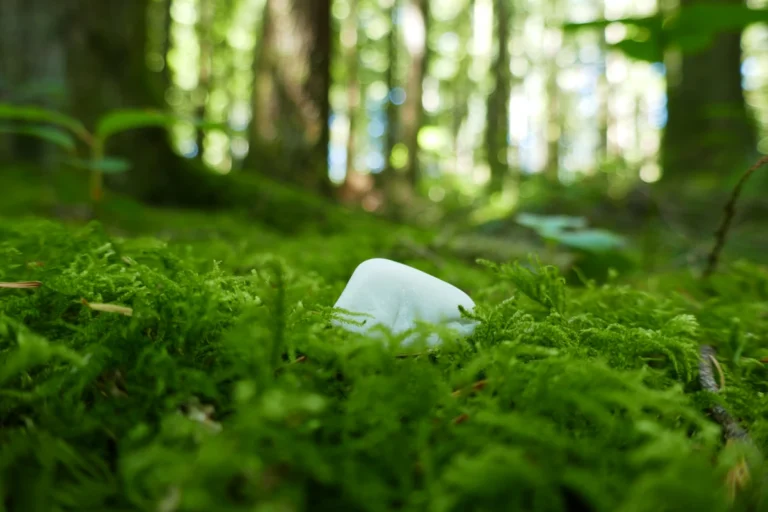
A short, 1 km accessible loop trail through a vibrant mossy forest and bog ecosystem, with interpretive signage explaining the natural surroundings.
South Coaster Adaptive Mountain Bike Trail — Alice Lake Provincial Park
New in 2025, this adaptive mountain biking trail near Whistler was designed specifically for adaptive riders. It features moderate gradients and suitable surfaces to ensure an accessible experience.
Island & Coast
Paradise Meadows — Strathcona Provincial Park
The 2.4 km Centennial Loop trail offers a wheelchair accessible boardwalk and packed gravel trail around the alpine meadows, and TrailRiders are available to further explore the 3.5 km Paradise Meadows Loop.
Shorepine Bog Trail — Pacific Rim National Park Reserve
This 0.8 km boardwalk trail loops through a unique coastal bog ecosystem.
Inland Lake Provincial Park — Powell River
Part gravel and part boardwalk, the 13 km loop around Inland Lake is one of the longest accessible trails in the province. The park also offers accessible huts and fishing docks.
Hidden Grove ‘Take It Easy’ Trail — Sechelt
This wide, hard-packed, 0.4 km trail with interpretive signs winds through coastal forest.
Old Growth Loop — MacMillan Provincial Park
A mix of boardwalk and gravel, this 0.8 km loop trail winds through Cathedral Grove, one of the last stands of old-growth forest on Vancouver Island.
Interior & North
Myra Canyon Trestles — Kelowna
A part of the Kettle Valley Rail Trail, this 12 km stretch offers wide, flat gravel paths crossing restored wooden trestles and tunnels.
Isobel Lake Low Mobility Trail — Kamloops
This 3.2 km lakeside loop offers hard-packed surfaces, accessible fishing wharfs, and picnic areas.
Grasslands Loop — Peterson Creek Nature Park
This accessible gravel loop offers sweeping views of the Kamloops grasslands and opportunities for wildlife spotting.
Ancient Forest/Chun T’oh Whudujut Provincial Park — Near Prince George
Walk among thousand-year-old cedars via 0.4 km of accessible boardwalk, with a longer route leading to a stunning waterfall.
Blowhole Viewpoint — Naikoon Provincial Park
This 1 km long compact surface and boardwalk trail leads to a viewing platform where blowholes can be seen.
Barriers to Access and the Future
Accessing adaptive trails in BC requires extra planning, especially given the geographical distance necessary to reach some places. Purchasing adaptive bicycles, all-terrain wheelchairs, and other devices is expensive, and accessing them through non-profits can also come with limitations, as many organizations struggle to find volunteer staffing.
Disabilities are often invisible. Depending on energy, pain levels, and mobility, abilities may vary from day to day. Trails that may be manageable one day may become inaccessible the next, especially when they lack wide, firm, mostly flat surfaces, have obstacles, and don’t have places to stop and rest.
While BC is making progress in making outdoor adventure fully accessible, there is still a long way to go. New trails are few, and even fewer are accessible. There are many pre-existing trails out there that could easily be made accessible with a few improvements, but making places universally accessible is slow to happen.
Access to the outdoors shouldn’t be limited to the able-bodied. Whether it’s paddling, exploring the forest, or reaching an alpine viewpoint, everyone deserves the chance to experience British Columbia’s beautiful wilderness.
Featured image by Richard Burlton on Unsplash.