What Wildlife Damaged This Tree?
Those who spend time in the forest come across all kinds of mysteries, from strange plants to puzzling animal tracks. One that hikers frequently come across is trees that appear to have been damaged, sometimes severely. The surprising thing is that some of the most severely damaged trees have been targeted by the smallest critters. Figuring out what wildlife damaged the tree means taking a closer look.
Woodpecker-Damaged Trees
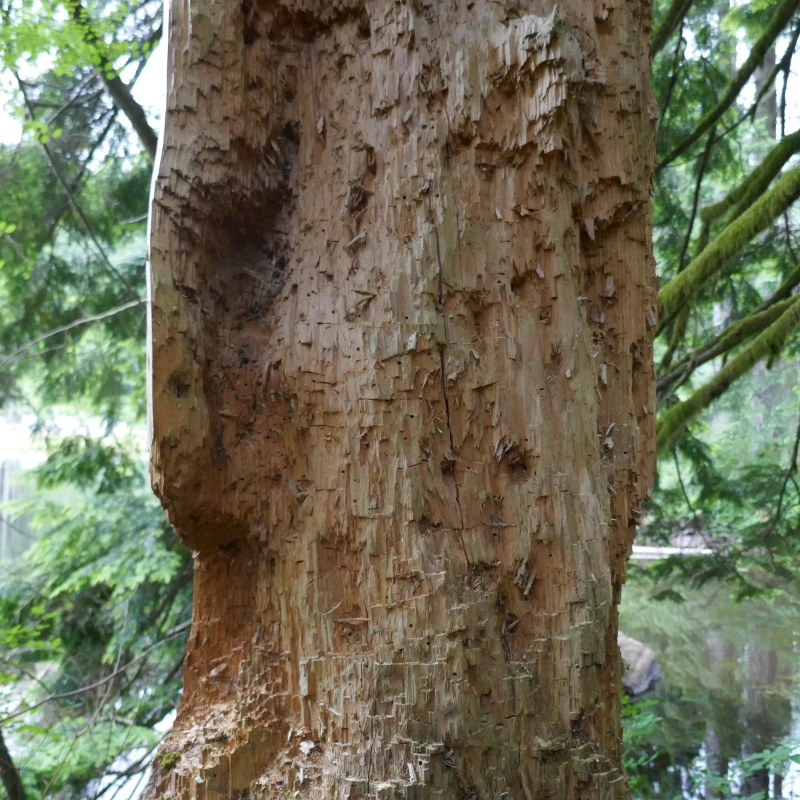
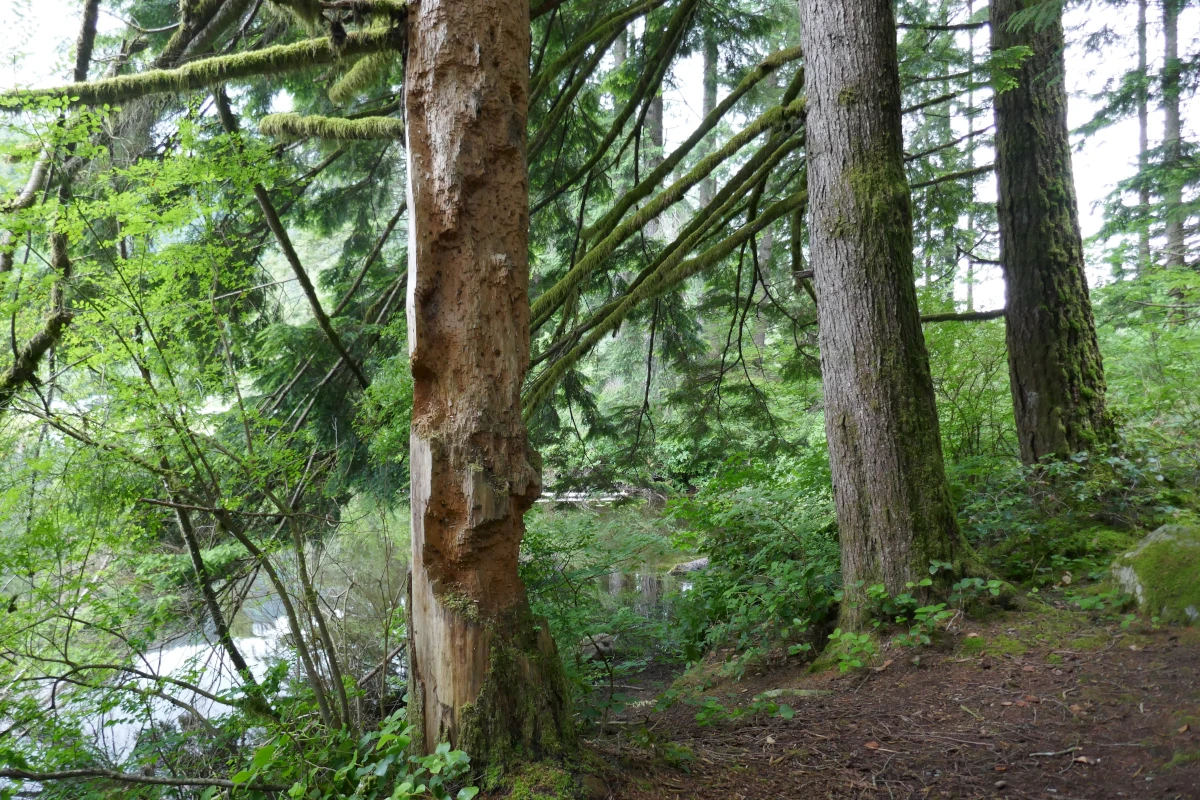
One of the most puzzling trees that outdoor recreationists encounter is one so marred that it looks as if some axe-wielding madman or other large mammal had a go at it. These are usually dead or dying trees with large wood chips removed, which are scattered haphazardly around the base, sometimes in piles. The area affected can be so significant as to make up a large portion of the tree, sometimes causing it to break in half entirely.
The culprit is none other than the Pileated Woodpecker, an ambitious, hungry fellow whose impressive beak can make short work of excavating a rotten tree. They target dead or dying trees, looking for insects—primarily carpenter ants—to eat. Apart from chipping away large swaths of trees, these guys also make rectangular keyhole-type holes in trees, sometimes serving as entrances to nesting cavities.
Other, smaller species of woodpeckers, like sapsuckers, make a series of small, round holes in trees, usually in neat clusters. They create sap wells, which are used to attract insects, which they consume along with the sap itself. Look for rows of holes that are about the diameter of a pencil.
Bear and Cougar-Clawed Trees
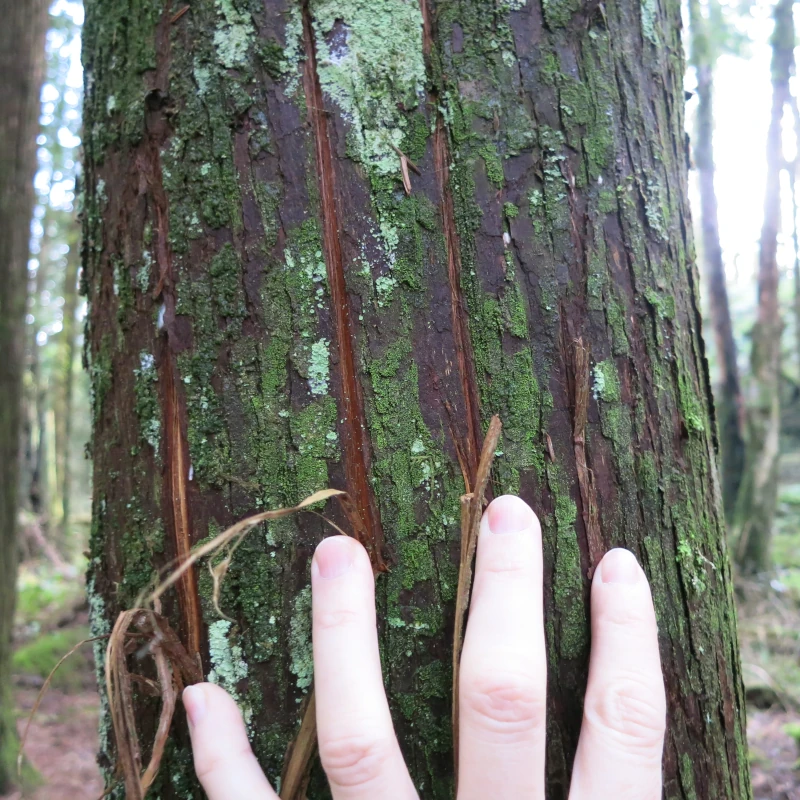
Bears will claw and bite trees in order to mark their territory. The hallmark of these types of trees is the presence of four or five claw marks carved into the bark of a tree, which will be present for years as the tree heals. These can be surprisingly high up. Claw marks can also be from bears climbing the tree. A closer inspection will sometimes locate hair caught in the bark.
When teeth are used, chunks are typically ripped off in a haphazard way. Bears will also sometimes strip bark from trees in order to eat the nutritious inner cambium layer.
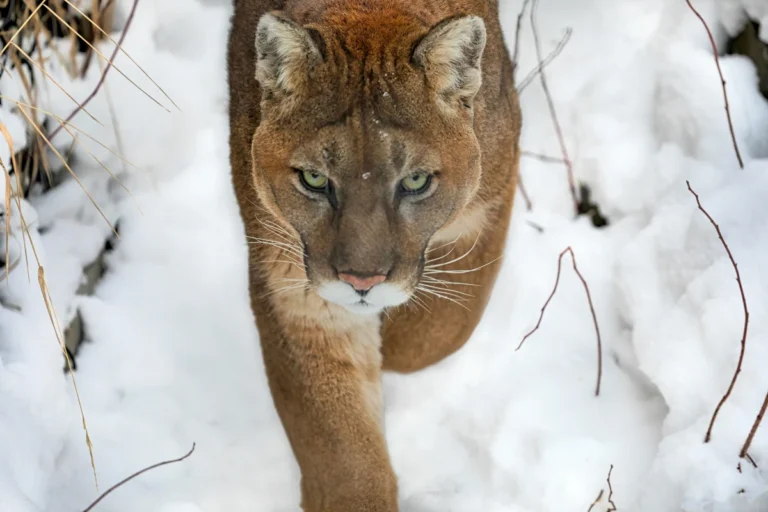
Cougars will also claw trees to mark territory, and like any other cat, to maintain their claws. These markings can be difficult to distinguish from bear claw marks.
Scratched Trees
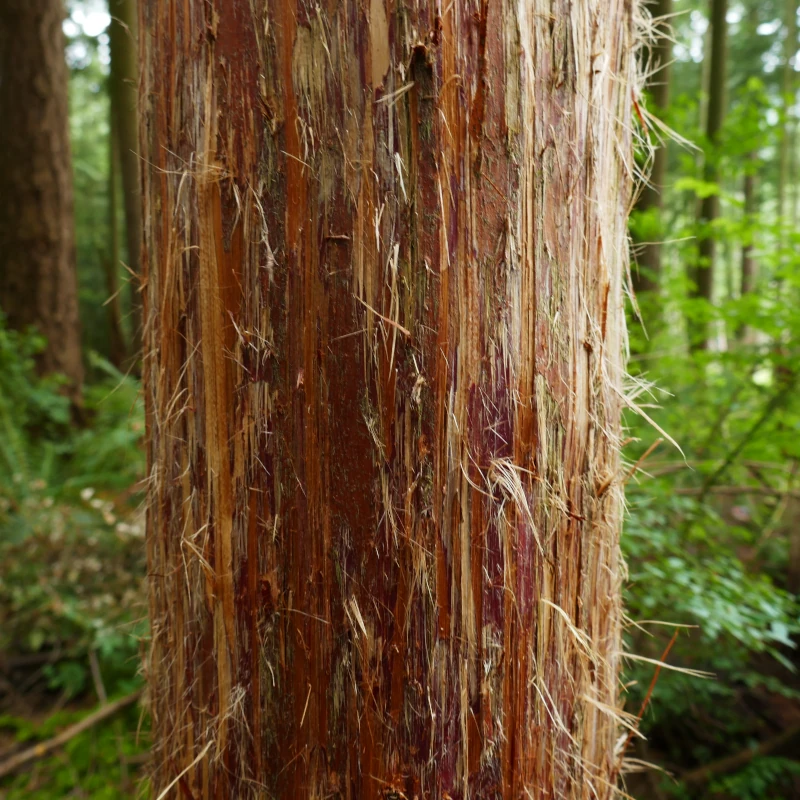
This type of wildlife-damaged tree looks similar to a cat’s scratching post, with loose bits of bark hanging off, but few obvious claw marks. Bears and cougars will rake trees like this to mark their territory, but if a closer inspection doesn’t reveal claw marks or hair stuck in the bark, the other culprit can be deer, moose, elk, or squirrels.
In the autumn, bucks rub their antlers on trees to remove velvet and mark their territory. They will also peel strips of bark in order to eat the inner cambium layer. Squirrels will also do this, as well as remove strips of bark to line their winter nests.
Beaver-Chewed Trees
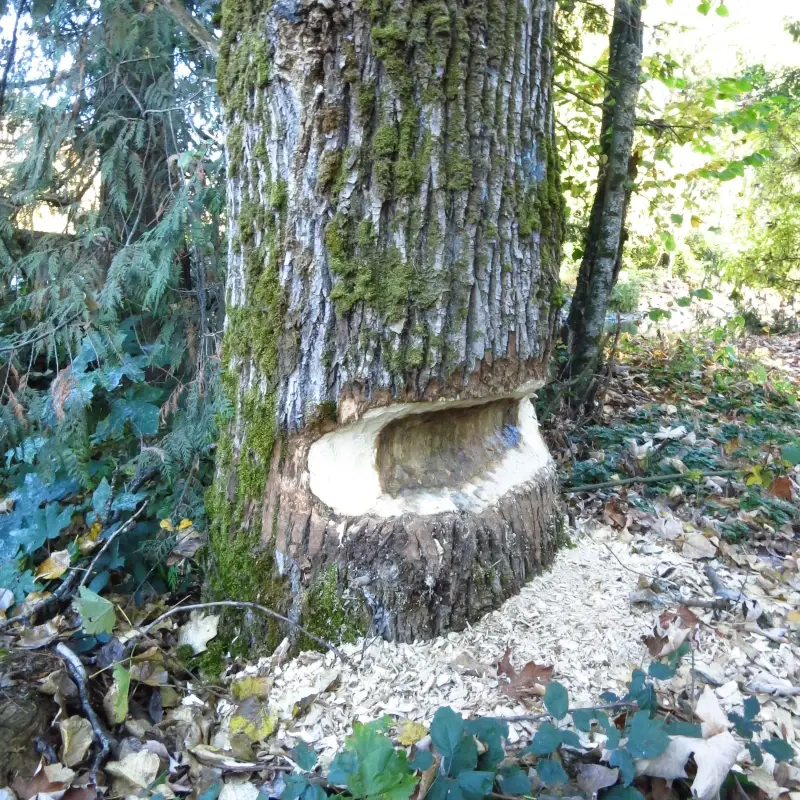
The hallmark of beaver-chewed trees is their distinctive shape, which looks like an hourglass or sharpened pencil. These are found near bodies of water. They topple trees in order to eat bark and remove branches for food storage, and also for building dams and lodges.
No tree is too small for the ambitious beaver, who will sometimes tackle some fairly large ones, but usually prefers smaller ones. A closer look at a beaver-chewed tree will reveal tooth marks. Since their teeth never stop growing, chewing trees also helps to keep them the right length.
Porcupine Trees
Another chewer of trees is the elusive porcupine, which will gnaw bark in order to consume the inner layer. They can sometimes strip an entire small tree, and if the trunk is girdled, the tree dies. Look for gnaw marks.
Every Tree Tells a Story
Whenever markings appear on a tree, they tell a story. Sometimes it isn’t wildlife that is the culprit, but storms, lightning, disease, fungi, or human activity. Learning more about hiking etiquette can help outdoor users minimize their own impact on the forest. Those who tread lightly on the land can observe the tales that the forest and its inhabitants silently tell.